 Gemini 4 Argon
Gemini 4 Argon AI product photography with a clear creative brief
A good product photograph begins with light, surfaces, framing, and what the buyer should notice. Use Gemini 4 Argon for Gemini 4 Argon AI product photography guided by your actual product reference. Start with GPT Image 2 reference editing at 1:1, 1K, and one output. Build a Gemini 4 Argon AI product photography brief that makes every styling choice serve the object in front of you.
Image workspace
Sample Image
 14 / 17
AI-generated illustration of an unbranded skincare studio scene.
Introduction
Give Gemini 4 Argon AI product photography a specific assignment
Decide what this photograph needs to communicate before naming a style. A useful Gemini 4 Argon AI product photography brief separates the product's fixed features from the creative choices surrounding it.
Name the visual priority
For a ceramic mug, the priority might be its curved handle and speckled glaze. Start Gemini 4 Argon AI product photography with that priority so decorative choices do not obscure the selling detail.
- Write one sentence describing what the viewer should notice first.
- Keep that sentence beside your Gemini 4 Argon AI product photography scene instructions.
Separate product facts from art direction
Record the actual color, shape, finish, closure, and packaging. In Gemini 4 Argon AI product photography, this distinction helps you ask for a new setting without casually requesting a different bottle, fabric, or metal finish.
Specify what stays outside the frame
A short exclusion list can be more useful than extra adjectives. Gemini 4 Argon AI product photography becomes easier to judge when the brief says which objects actually belong in the scene.
How to use
How to create Gemini 4 Argon AI product photography
- Input
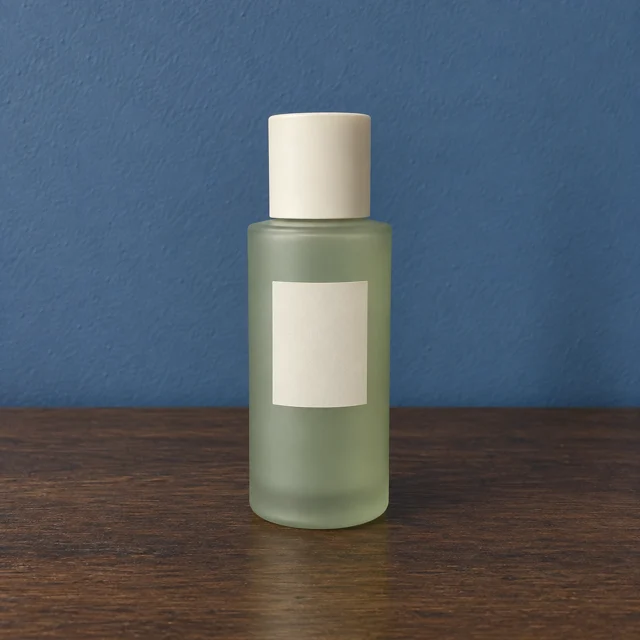 Reference image 1STEP 1
Choose a reference
Begin Gemini 4 Argon AI product photography in GPT Image 2 reference mode with a clear photograph showing the actual product’s shape and finish.
- ModelGPT Image 21K1:1PromptOutputSTEP 2
Write the brief
Direct Gemini 4 Argon AI product photography with a camera distance, surface material, light direction, and shadow character that support your chosen product.
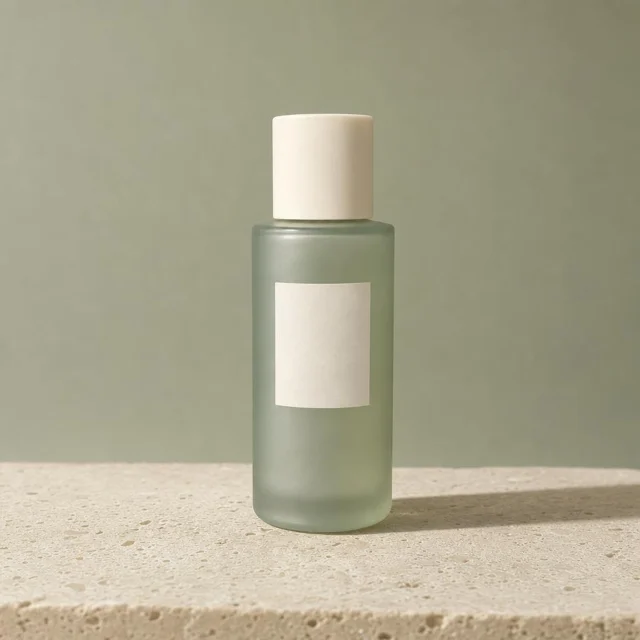 BeforeAfterSTEP 3
Test the setup
Start Gemini 4 Argon AI product photography at 1K with square framing, review the displayed credits, and generate a simple studio candidate.
- STEP 4
Review the series
Compare Gemini 4 Argon AI product photography candidates for material accuracy and consistent lighting, then keep the strongest brief for the next item.
Features
Shape Gemini 4 Argon AI product photography with understandable light
Choose a direction and a shadow character together. Gemini 4 Argon AI product photography does not need a complicated lighting vocabulary; it needs a setup whose visible effects agree.
Describe the source and its direction
Try a large soft source above and left of the product, with a gentle shadow falling right. This gives Gemini 4 Argon AI product photography a more useful instruction than luxurious lighting.
- Soft light: broad highlights and gradual shadow transitions.
- Directional Gemini 4 Argon AI product photography: clearer texture, with shadows that need more careful placement.
Control highlights on reflective packaging
A glossy lid needs a reflection that describes its curve without swallowing its shape. Review Gemini 4 Argon AI product photography reflections for duplicate labels, bright seams, or shapes that suggest another object nearby.
Keep color casts intentional
Warm sunlight may make an ivory carton look yellow; a green backdrop may tint clear glass. Choose whether that effect belongs in your Gemini 4 Argon AI product photography brief.

Make materials readable in Gemini 4 Argon AI product photography
Different finishes need different visual treatment. Describe both the product and its support so Gemini 4 Argon AI product photography can explore a scene with a coherent material relationship.
Protect the finish that defines the item
Brushed steel should not become chrome, and matte paper should not become glossy plastic. Name the finish explicitly in your Gemini 4 Argon AI product photography instructions.
- Glass: inspect thickness and what is visible through it.
- Fabric: use Gemini 4 Argon AI product photography references that show the actual weave.
Choose contrast without distraction
Place pale packaging against a slightly darker backdrop, or pair a glossy object with a quiet matte surface. The purpose of contrast in Gemini 4 Argon AI product photography is to reveal the silhouette.
Use props as compositional supports
A folded cloth can balance a tall object; a low plinth can raise a short one. Keep props subordinate in Gemini 4 Argon AI product photography.

Plan distance and framing before adding detail
A close detail and an environmental scene answer different questions. Decide the viewing distance for Gemini 4 Argon AI product photography before choosing how much of the background to describe.
Start with a complete product study
Keep the object fully visible in a square frame, with enough breathing room to judge its shape. This is a useful Gemini 4 Argon AI product photography starting point before trying tight crops. Position the camera near the product's middle when you want a straightforward, balanced view.
- Use a close view to discuss texture, not to conceal missing parts.
- Use a wider Gemini 4 Argon AI product photography composition when the setting contributes useful context.
Match the view to available evidence
An overhead view of a closed box cannot explain its hidden underside. Gemini 4 Argon AI product photography may imagine unseen surfaces; a real reference is preferable when those surfaces contain important construction or labeling.
Reserve space with a purpose
For a campaign layout, leave a quiet area where a designer can add copy later. In your Gemini 4 Argon AI product photography brief, specify which side stays open and keep the product complete. Distinguish space planned for a headline from accidental, unbalanced framing.

Carry one direction across Gemini 4 Argon AI product photography
Consistency comes from repeating useful decisions, not repeating the same image. Give a Gemini 4 Argon AI product photography series a shared lighting direction, surface family, and camera language.
Create a small style recipe
Write down background tone, light direction, shadow softness, camera height, and spacing. Reuse those decisions in Gemini 4 Argon AI product photography briefs for a cleanser, serum, and cream.
- Compare label brightness, shadow weight, and horizon position together.
- Save an approved Gemini 4 Argon AI product photography example beside the written recipe.
Change one creative variable at a time
Explore a different surface before also changing the light and composition. A controlled Gemini 4 Argon AI product photography revision makes the result easier to diagnose. If pale stone works but the shadow feels heavy, adjust the shadow rather than abandoning the whole direction.
Review the series as a sequence
Place the candidates beside one another in your own review layout. Gemini 4 Argon AI product photography requests can drift in color, scale, and contrast even with similar instructions.

Put your Gemini 4 Argon AI product photography brief to work
Use your first Gemini 4 Argon AI product photography result to test the lighting and composition before expanding the shoot.
Upload the actual product
Choose GPT Image 2 reference editing and upload your product photograph. The starting setup is 1:1, 1K, and one output. Add the lighting, material, and framing instructions from your Gemini 4 Argon AI product photography brief, with a short description of the features to retain.
Choose the configuration deliberately
You can change the ratio, select 1K, 2K, or 4K, and request one to four outputs. Review the credits displayed for the actual configuration before submitting. Increasing resolution in Gemini 4 Argon AI product photography does not replace a clear reference or a well-defined composition.
Compare before selecting
Inspect the product against its source, then review the art direction. Gemini 4 Argon AI product photography does not guarantee exact packaging preservation. Keep a candidate only when its shape, finish, label, and scene are suitable for the intended use; otherwise revise the specific mismatch.

Example prompts
Soft studio brief for frosted skincare
Edit the uploaded photograph of my actual skincare product. Retain its visible silhouette, packaging color, closure, label placement, and frosted finish as closely as possible. Place it on pale limestone against a muted sage background. Use a large soft source above camera left, a gentle shadow falling right, and controlled glass highlights. Square composition, complete product visible, camera near label height. No additional products, ingredients, text, or decorative props.
Material study for a ceramic mug
Use the supplied photo of my actual ceramic mug. Keep the handle shape, rim thickness, proportions, color, and visible glaze texture as closely as possible. Create a quiet square studio composition on a matte warm-gray surface, with a slightly darker background and soft side lighting that reveals the speckled glaze. Show the entire mug, with modest space around it. No invented patterns, steam, utensils, logos, or dramatic reflections.
User reviews
Gemini 4 Argon video creator feedback.
Gemini 4 Argon creator reviews

I made a full character PV for my game with Gemini 4 Argon MiniMax H3 in one afternoon. The menu UI stayed readable in every frame and the character never went off-model. That used to cost me a contractor and three weeks.

We tested every Gemini 4 Argon AI video generator on the market for stylized work. H3 is the only one that held our anime style across cuts. We now use it for pitch reels and animatics on every project.

I uploaded four product photos and got a listing video with music and a voiceover the same day. My click-through rate on the new listings is up 38%. H3 even got the label text on my packaging right.

I ship five vertical videos a week for three brands. Gemini 4 Argon MiniMax H3 gets me from brief to draft in under an hour, with sound already synced. My old workflow needed a videographer and two review rounds.

The editing side is what sold me. A client wanted the background of an interview changed — I typed one sentence into Gemini 4 Argon MiniMax H3 and the lighting on the subject matched the new scene automatically.

I previsualized my entire short film in Gemini 4 Argon MiniMax H3 before we shot a single frame. Rack focus, match cuts, even the title cards — it understands director language, not just keywords.
Gemini 4 Argon MiniMax H3 Max Pricing and Credit Plans
Cancel anytime
Lite
50% off0.025 / credit
Billed $ yearly179· Save $179.8
Video Models



Image Models



- Includes Gemini 4 Argon MiniMax H3 and all premium models
- Up to 1 batch generation task
- Standard generation speed
- Standard generation success rate
- Standard customer support
- Commercial Use License
Standard
50% off0.017 / credit
Billed $ yearly299· Save $299.8
Video Models
Image Models
- Includes Gemini 4 Argon MiniMax H3 and all premium models
- Up to 4 batch generation tasks
- Priority processing speed
- High generation success rate
- Priority customer support
- Commercial Use License
Pro
50% off0.014 / credit
Billed $ yearly599· Save $599.8
Video Models
Image Models
- Includes Gemini 4 Argon MiniMax H3 and all premium models
- Up to 10 batch generation tasks
- Fastest generation speed
- High generation success rate
- Dedicated account manager
- Commercial Use License
Max
50% off0.012 / credit
Billed $ yearly1,199· Save $1,199.8
Video Models
Image Models
- Includes Gemini 4 Argon MiniMax H3 and all premium models
- Up to 10 batch generation tasks
- Fastest generation speed
- High generation success rate
- Dedicated account manager
- Commercial Use License
Pay safely and securely with























FAQ
Frequently asked questions
What should a Gemini 4 Argon AI product photography brief include?
Include the actual product, the important details to retain, one light direction, a surface, a background, and a framing choice. For useful Gemini 4 Argon AI product photography, make those instructions agree. A short, specific brief is easier to revise than a collection of unrelated style words.
Do I need studio equipment for Gemini 4 Argon AI product photography?
You need a clear photograph of the real item, not necessarily an elaborate setup. Begin Gemini 4 Argon AI product photography with readable packaging and an unobstructed silhouette. Soft everyday light and a simple source background can make the important product details easier to inspect.
How do I keep Gemini 4 Argon AI product photography consistent across a collection?
Reuse your lighting, surface, framing, and spacing notes, then compare the results together. Gemini 4 Argon AI product photography does not lock those properties perfectly across requests. Keep a preferred example as a visual reference and correct differences that would make the collection feel disconnected.
Can I explore both close details and wider scenes?
Yes, but prepare the right source for each view. Gemini 4 Argon AI product photography can explore different compositions; it should not be relied on to reconstruct hidden product details accurately. Use a real detail photograph when a seam, closure, label, or texture is the subject.
What should I check before using the photograph?
Check product accuracy first, then the lighting, framing, and final placement. Gemini 4 Argon AI product photography can change small details even in a convincing scene. Use source images you have permission to provide and review the relevant terms for your intended commercial use.
CTA
Start your Gemini 4 Argon AI product photography brief
Upload the actual item, name the detail that matters, and choose one coherent lighting setup. Turn those decisions into a Gemini 4 Argon AI product photography study you can review before developing the rest of the series.
Build a product photography study